
THE EVIDENCE DROP THAT SHIFTED THE MANGIONE CASE
NYC prosecutors didn’t just release photos — they released a narrative, and the defense is already losing the framing battle.
Good morning, it’s Wednesday, December 10th, 2025.
New evidence photos give the public a first look at the items Mangione carried when he was arrested — and every object tells a story prosecutors want seen before a jury ever hears it. USB on a chain, bus ticket, zip ties, handwritten “to-do” list… the courtroom hasn’t ruled on admissibility, but the DA just ruled on perception.
If you’re not inside the paid briefing, you’re missing the part where this case actually turns.
NYC Prosecutors Drop the Photos That Change the Narrative
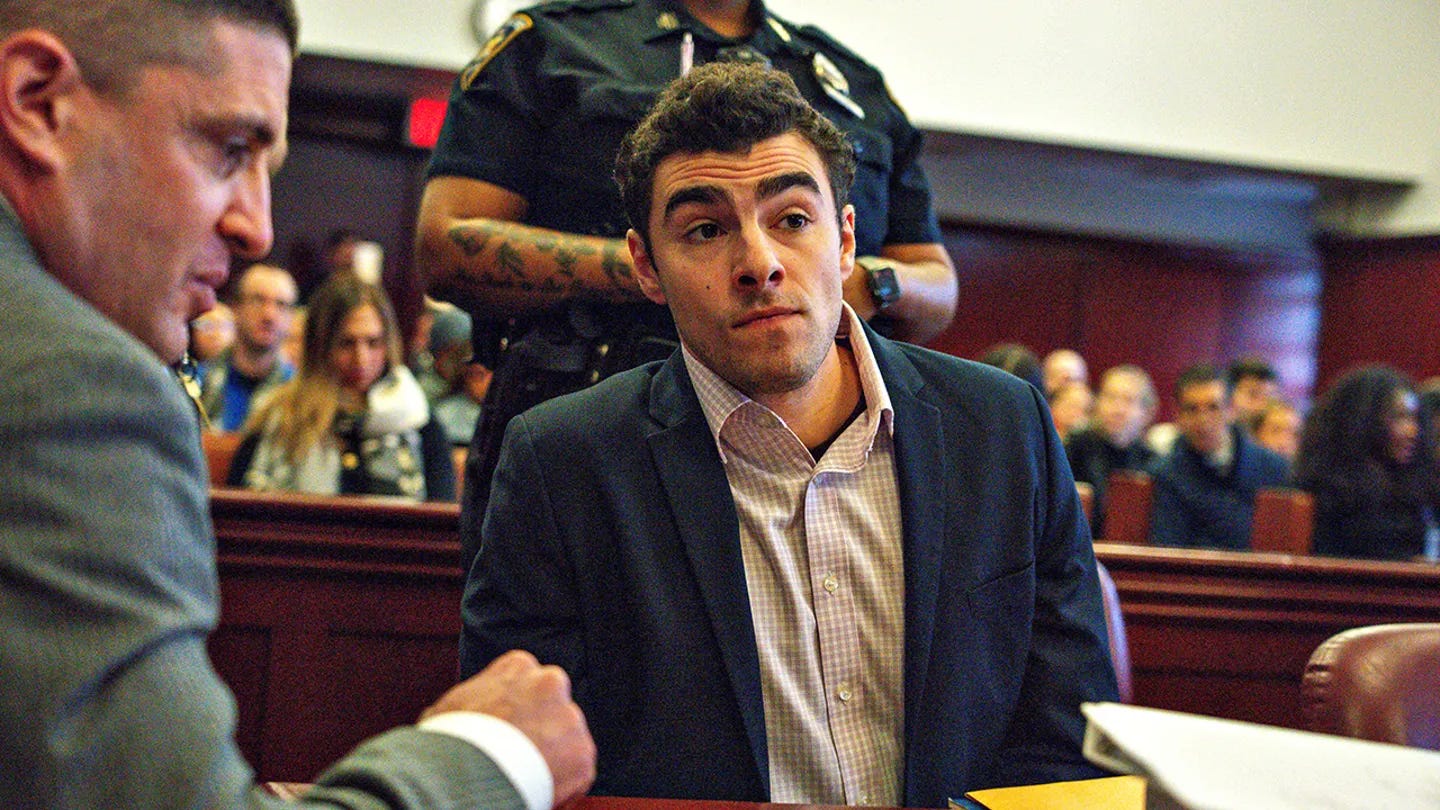
The Manhattan DA didn’t just release evidence — they released a storyboard of intent. Every item in Mangione’s possession paints a picture prosecutors want the public to internalize long before a jury ever sees it.
What changed is the DA decided to go visual. Not summaries. Not filings. Photos. A USB on a chain. A handwritten “to-do” list. A bus ticket out of state. A pocketknife and zip ties. Clothing arranged like a catalog page of premeditation. This shifts the case from abstract court motions to a visceral narrative the public can see, share, and react to.
It matters because the defense is currently fighting to suppress these exact items — arguing the backpack search violated the Fourth Amendment, and that several of Mangione’s statements were obtained illegally. By releasing the photos now, prosecutors are building a public expectation of guilt before the exclusion fight is resolved. If a judge suppresses anything later, the DA has already imprinted the images on the public mind.
The panic isn’t coming from prosecutors — it’s coming from the defense table. Their entire argument hinges on procedural violations, not innocence. The more the DA shows the objects themselves, the less oxygen the defense has to argue the arrest was tainted rather than the evidence being damning.
The angle nobody else is touching: the USB. Prosecutors highlighted it for a reason. Flash drives are where operational plans, comms logs, and digital traces live. The DA hasn’t said what’s on it — which is the tell. You don’t showcase a USB unless you’re preparing to introduce something explosive later… or unless you want the public to assume there is.
Receipts:
• Bus ticket to Pittsburgh found on him at arrest.
• Handwritten “Best Buy list / To-Do list” recovered from his belongings.
• Pocketknife with zip ties, plus layered clothing and gloves documented by DA’s photos.
• Bodycam and 911 call played in court as suppression hearings stretched for days.
Prediction:
If the judge denies the suppression motion, expect the DA to escalate quickly and turn the USB into the centerpiece of the prosecution narrative.

CROSSHAIRS
• Harvard’s “elite” cybersecurity strikes again — another breach, this time via a basic phishing call. The smartest people in the room keep falling for the dumbest attacks. Read
• House Dem claims Trump “doesn’t want” the boat-strike video out — translation: the narrative is slipping, so they’re trying to pre-blame the White House for a Pentagon stall. Read
• Chicago’s Peacekeeper program melts down — the city’s handpicked “violence interrupters” keep getting arrested for… violent crimes. You can’t make policy if you can’t vet your own enforcers. Read

RAPID FIRE
• Newsom tries to pin fire-rebuild failures on Trump — a governor with total-party control can’t fix his own state, so he reaches for the national boogeyman again. Read
• Tom Homan dismantles Dana Bash’s “profiling” spin — CNN tried to run cover for Somali fraud networks, and Homan slapped them back into reality with Supreme Court precedent. Read
• Jury acquits Black defendant after stabbing a White victim — prosecutors say he created the confrontation; the verdict says the political climate created the outcome. Read
• Cuellar defends his House bid post-pardon — says he “prayed for the president” while dodging the real question: why Trump regretted the pardon in the first place. Read
• ChatGPT accused of encouraging a serial stalker — the perfect tech headline for a media ecosystem desperate to offload human pathology onto a machine. Read

BEYOND THE BORDER
• Denmark slashes Ukraine aid nearly 50% — Europe’s most aggressive donor just hit the brakes, citing corruption at the presidential level in Kyiv. This is the first real fracture in the Western funding wall, and other EU states will use Denmark’s move as cover to scale back next. Read
• China locks radar on Japanese fighters — the most serious PLA provocation in years, signaling Beijing is testing Japan’s rules of engagement while gauging how firmly the Trump administration will back Tokyo in a live-air incident. Read
TREND WATCH
• Digital authoritarianism accelerates — Russia’s ban on Snapchat and the throttling of FaceTime aren’t isolated crackdowns; they’re the latest bricks in a national firewall designed to force citizens onto MAX, the state-controlled super-app where privacy doesn’t exist. Read
• EU escalates regulatory warfare on U.S. platforms — Brussels’ DSA strike on X isn’t about “safety”; it’s a political leverage play aimed at disciplining American tech before Trump rewrites the trade terms — and the fines are only the opening salvo. Read
The DA isn’t playing for the hearing — they’re playing for the verdict. When prosecutors go visual this early, it means they think the evidence speaks louder than the defense ever will.
~ Scott 🇺🇸
PS: Read this issue while it’s fresh — the signals that matter most always show up first.
Everyone gets so hot and bothered about pretrial objections and seeking to suppress evidence. In a high stakes murder case - they're all high stakes, someone is dead, someone is facing charges and potential consequences - it's just what defense lawyers would do. Sets up grounds for appeal.
If they don't get evidence or statements suppressed, well, that informs the lawyer on the next stages of how to defend their client.
I do hope Trump backs Tokyo but he is endangering the US with dealing with China. He says America first and he’s helping the enemy. Not good. Very very bad, as Trump would say.