
The Cyber Spark Exposed
A quiet grid anomaly in November wasn’t a glitch — it was the first live-fire test for the digital rails being built beneath the financial system.
The day the grid didn’t just flicker.
In early November 2025, multiple U.S. utilities recorded unexplained “latency events” across fiber-backed grid-control networks, coinciding with a rise in odd power-demand surges. On paper: routine maintenance. But in the internal logs — now quietly circulating among utility CISOs — the pattern was different: clusters of cloud-linked smart-meter feedback loops, synchronized across multiple states, followed by abrupt demand spikes triggering automated “load-shedding readiness.”
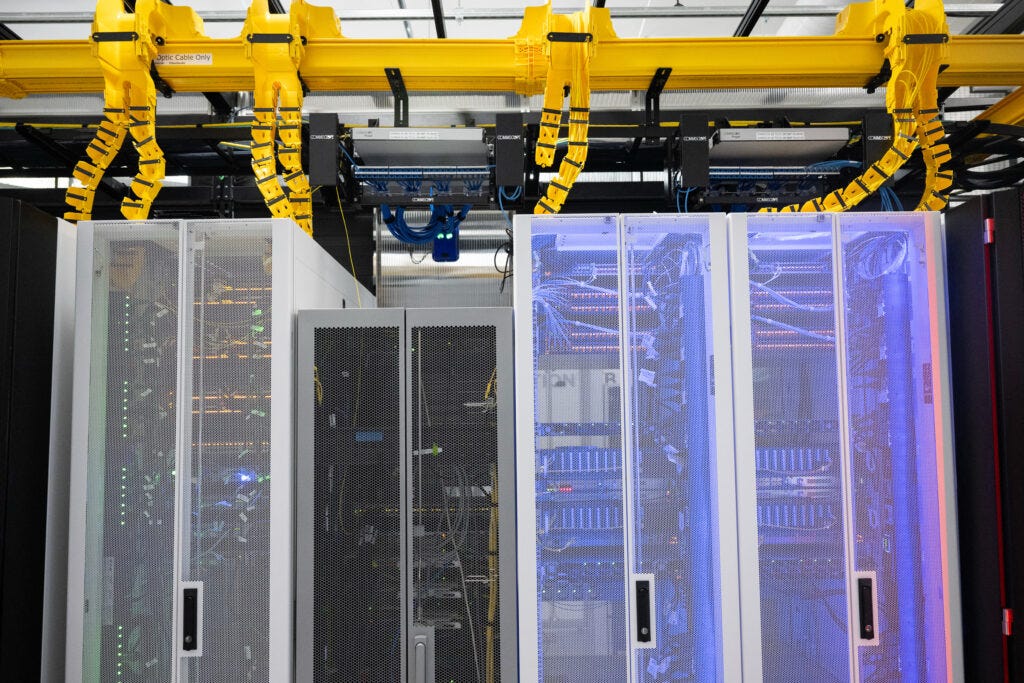
At the same moment, the U.S. House Committee on Homeland Security publicly warned of rising cyber threats to infrastructure — citing a steep increase in attacks and lapses in federal defensive capacity amid a government shutdown.
Behind closed doors, at least two major U.S. banks — whose internal payments systems are now tied to grid-operated energy suppliers — ran coordinated “resilience drills,” pushing fallback models that routed transactions over backup payment rails. The coincidence is too tight to ignore.
Some operators inside utilities now whisper about a “soft-test” — not a failure, but a rehearsal.
The truth sits in the architecture. The shift toward cloud-linked controls, DER systems, and remote endpoints has expanded the grid’s digital skeleton faster than it can be secured — a point confirmed by energy-sector analysts tracking the rapid expansion of cyber-exposed grid infrastructure.
