
Shutdown Psyop: Blame-Shift as Fiscal Chokehold
A fiscal standoff built to break the system, not fix it.
Washington is selling the 2025 shutdown like it’s a budgeting accident. It isn’t. It’s coercion. Senate Democrats refused a clean funding bill on October 1 and demanded hundreds of billions in new “health care expansions,” including migrant-linked coverage and foreign aid carve-outs. They triggered the blackout, then framed the pain as Trump’s cruelty. Trump didn’t just take the punch. He used it. He raided Pentagon research money on October 11 to keep troop pay flowing without Congress, signaled mass federal layoffs, and let emergency SNAP taps die on October 15. That move put 40 million Americans on a November 1 benefits clock and let the White House say, on camera, “Ask Democrats why they chose illegals over Americans.”
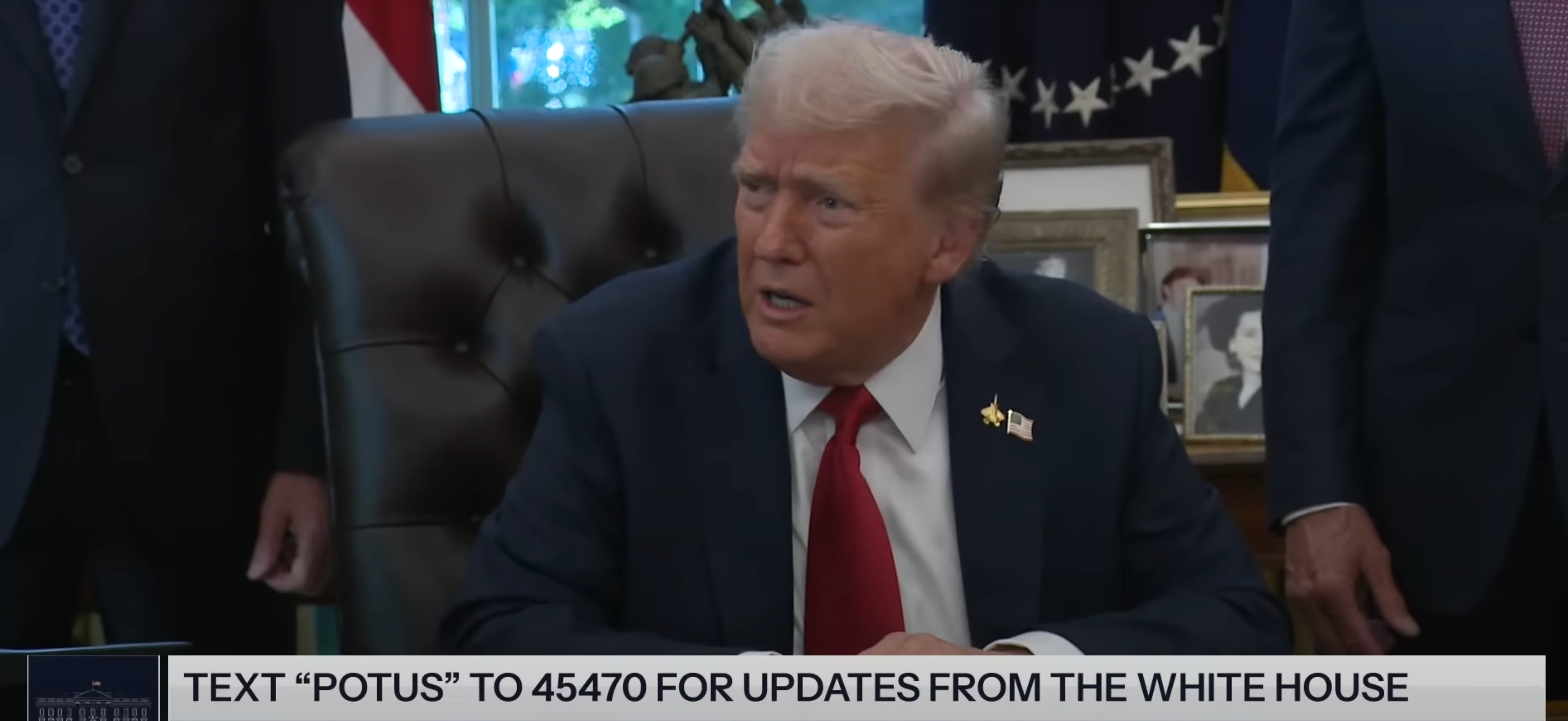
This isn’t normal brinkmanship. This is a live test of something darker: starve the system, redirect the cash, and prove the Executive can fund who it wants and freeze who it wants. After this shutdown, the purse doesn’t fully live in Congress anymore. That’s the point.
Democrats Pull the Plug, Trump Lights the Fuse
October 1, 2025, wasn’t a stumble. It was a controlled detonation.
The government shutdown hit at 12:01 AM with Republicans holding the White House, the House, and the basic political mandate to fund the government. The vulnerability didn’t come from them. It came from the Senate. Democrats blocked a clean continuing resolution and demanded roughly $350 billion in “emergency health coverage and stabilization funding.” Buried in that ask: expanded Medicaid-style access for non-citizens and sustained foreign aid tranches, including Ukraine support, all shoved into what was supposed to be a straight keep-the-lights-on bill. [Insert: Screenshot of Senate vote tally and Dem filibuster coverage, Oct 1]
That’s the first tell. You don’t lace immigration expansion and overseas cash into a basic CR unless you are trying to force a crisis you can weaponize.
Trump refused the ransom. On camera, he drew it in plain English: “We’re not paying for illegal migrants. We’re not paying for other countries before we pay for our own.”
Democrats walked. The shutdown began.
Then the math hit.
Roughly 700,000 federal workers — civilian agencies, regulatory staff, analysts, clerks — were furloughed immediately. Air traffic controllers, TSA, Border Patrol, and active-duty military stayed on post but without full guaranteed pay. That’s where the pressure campaign usually breaks a Republican president. The media runs wall-to-wall sob stories about unpaid workers. The unions scream. Swing suburbs panic about airports. Senate Republicans defect. The White House folds.
That script failed this time for one reason: Trump didn’t blink.
Instead of begging Senate Democrats for a deal, the White House escalated. On October 11, Trump signed an executive action to redirect an estimated $8 billion out of Defense Department research and development lines and into direct payroll continuity for uniformed service members. The message was not subtle. “Our troops will be paid,” Trump allies said. “Congress can catch up when it decides to act.”
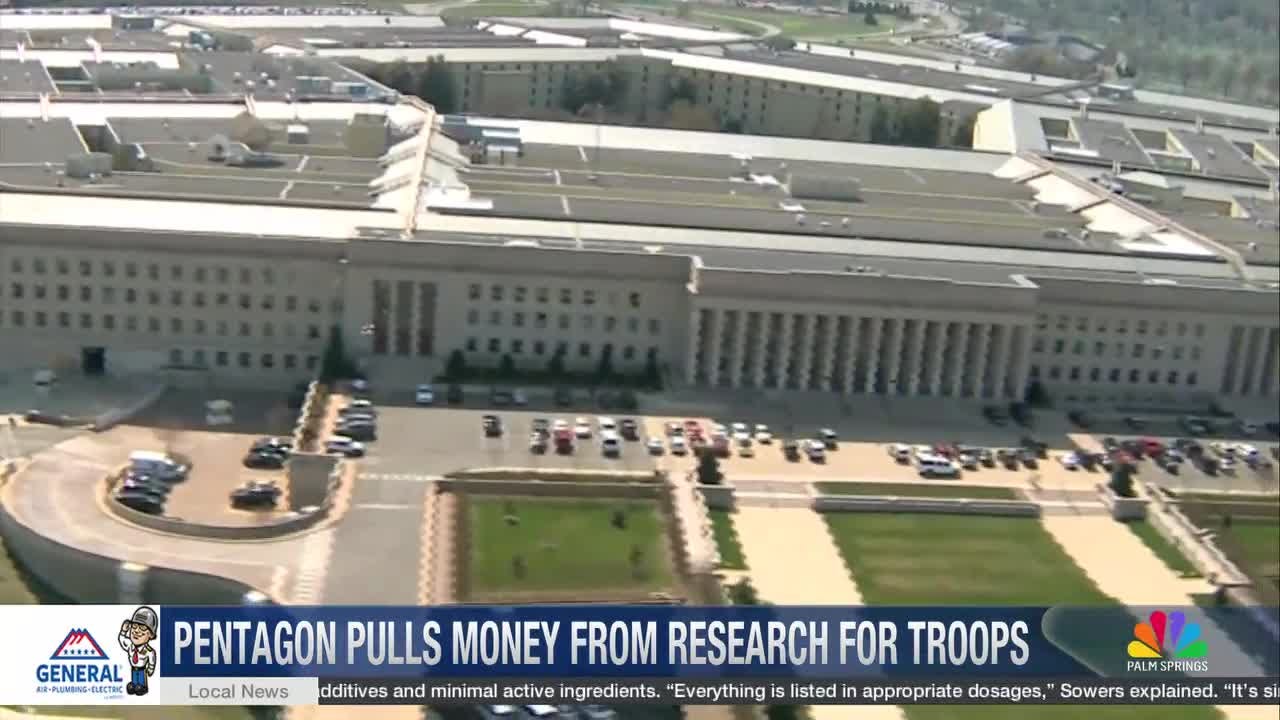
That move matters for two reasons.
First, it flipped the optics. Overnight, Democrats lost the “he’s starving the troops” talking point. Senate Majority Leader Chuck Schumer went from accusing Trump of “holding the country hostage” to having to explain why his own caucus was blocking a funding bill while the commander-in-chief was making sure the military got checks.
Second, and more quietly, it set a live precedent: the Executive asserting the right to raid Pentagon money and reprogram it in the middle of a shutdown without Congress signing off first. This is not routine. Civilian back pay after a shutdown is normal. Grabbing billions inside DoD accounts mid-standoff to keep warfighters whole is not.
You just watched the White House test how far it can go without appropriators.
Ten days into the shutdown, the squeeze widened.
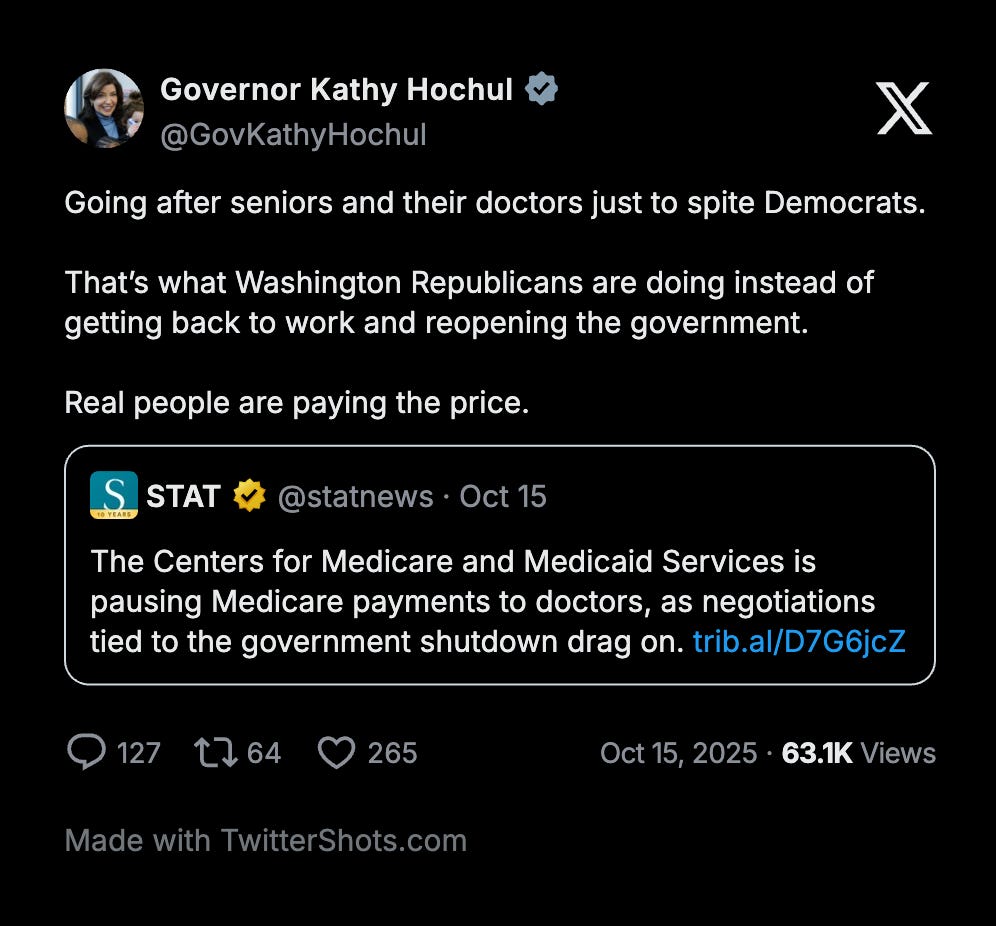
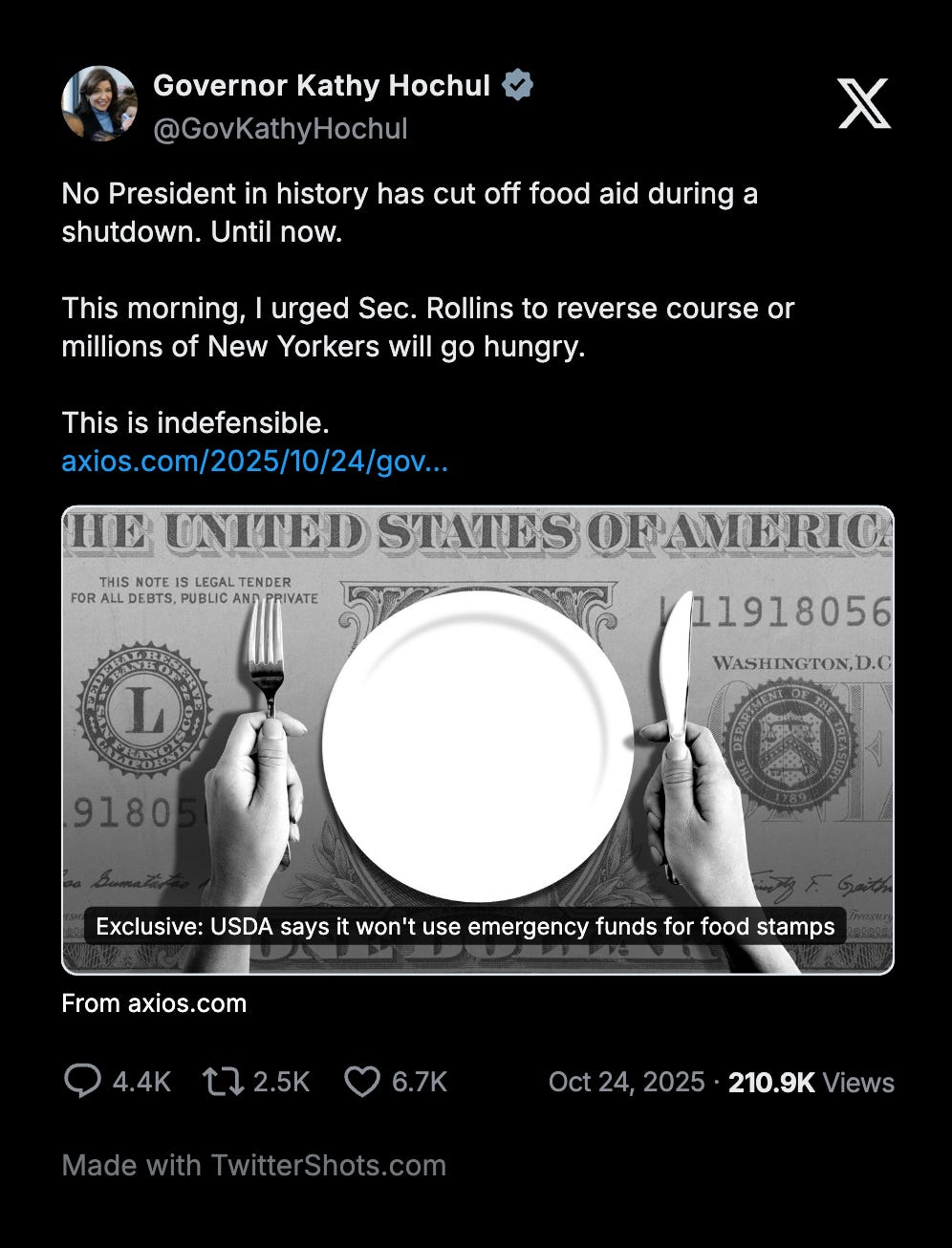
On October 15, the Department of Agriculture declined to extend emergency nutrition taps that had been keeping Supplemental Nutrition Assistance Program benefits (SNAP) artificially padded. Translation: unless Congress restored full funding, tens of millions of low-income recipients were going to hit a wall by November 1. Governors started sounding alarms. New York Gov. Kathy Hochul called the posture “indefensible” and accused the administration of “weaponizing hunger.”
The White House answer was cold and deliberate. Press Secretary Karoline Leavitt told the room that Democrats “chose illegal migrants and foreign payouts over American families,” then turned and challenged CNN’s framing in real time.
The visual is the point. The message to working-class America was: we’re prioritizing the military and border posture. They’re prioritizing handouts and overseas cash. You decide who’s on your side.
This is where most legacy outlets tried to spin “Republican cruelty.” You saw lines like “GOP blocks food aid.” You saw “Republican shutdown threatens EBT cards” in chyrons.
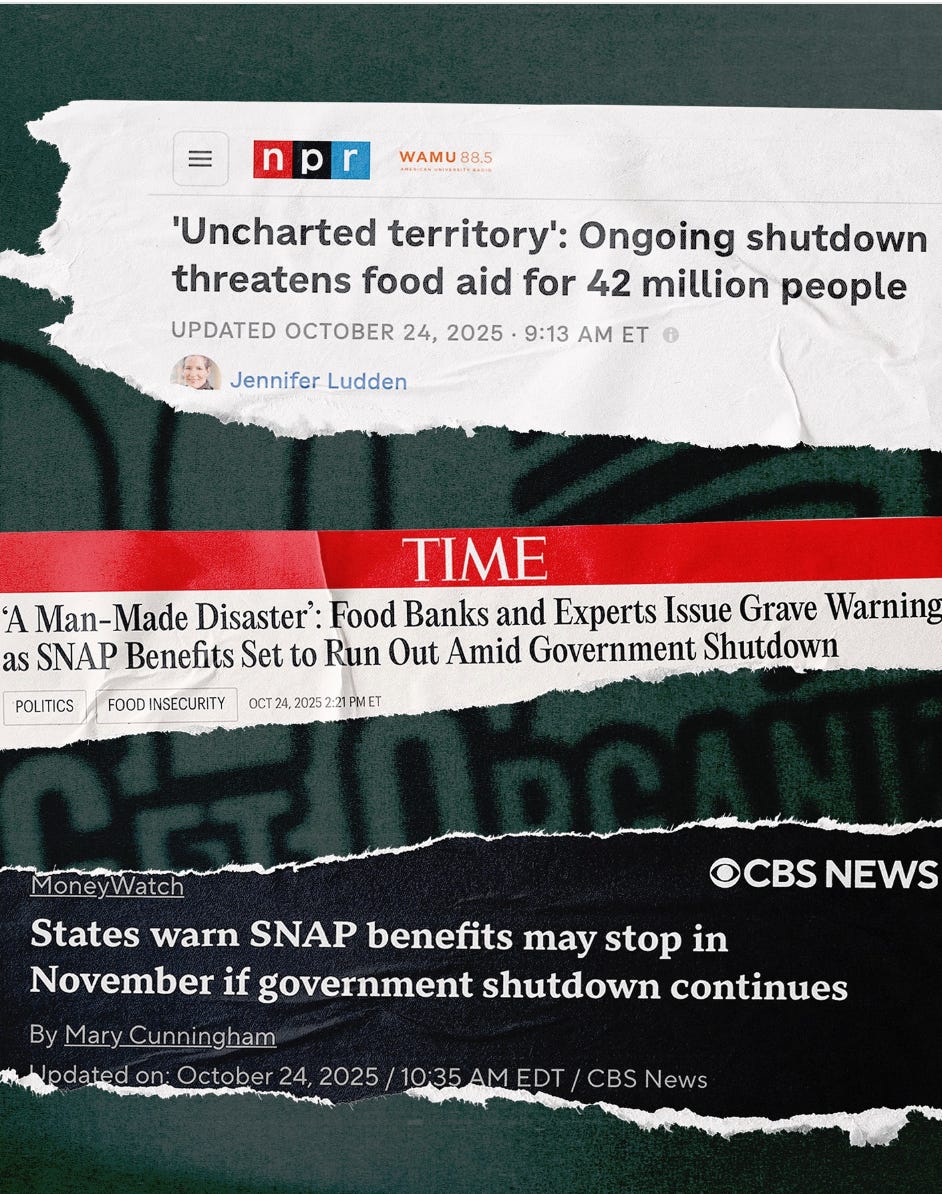
But the vote trail doesn’t match the headline. House Republicans pushed multiple short-term funding bills with baseline domestic outlays intact. Senate Democrats killed them, on record, because they didn’t include the migrant health and foreign cash riders.
That is leverage politics dressed up as compassion.
And it wasn’t just food and paychecks. The pressure was designed to hit infrastructure. By Day 3, unpaid air traffic controllers were publicly venting. One anonymous controller video complaining about “working a 10-hour rotation for zero” racked tens of thousands of views on X and spread fast through conservative media ecosystems.
That clip did more damage than a dozen think tank op-eds. It reframed the fight: this wasn’t abstract budgeting. This was a forced stress test on national logistics.
Senate Democrats thought that stress would break Trump. The calculation was simple: starving civilian workers plus looming flight chaos plus “kids losing food” coverage equals Republican collapse. But Trump inverted the target. He insulated the military. He let the pain radiate through the civilian federal payroll and entitlement taps instead of warfighters. Then he dared Democrats to explain why they were holding out.
That’s why Schumer’s private language started leaking. According to shutdown coverage, Schumer described the standoff as “leverage.” That word matters. “Leverage” means this wasn’t about numbers. It was about breaking a president on optics.
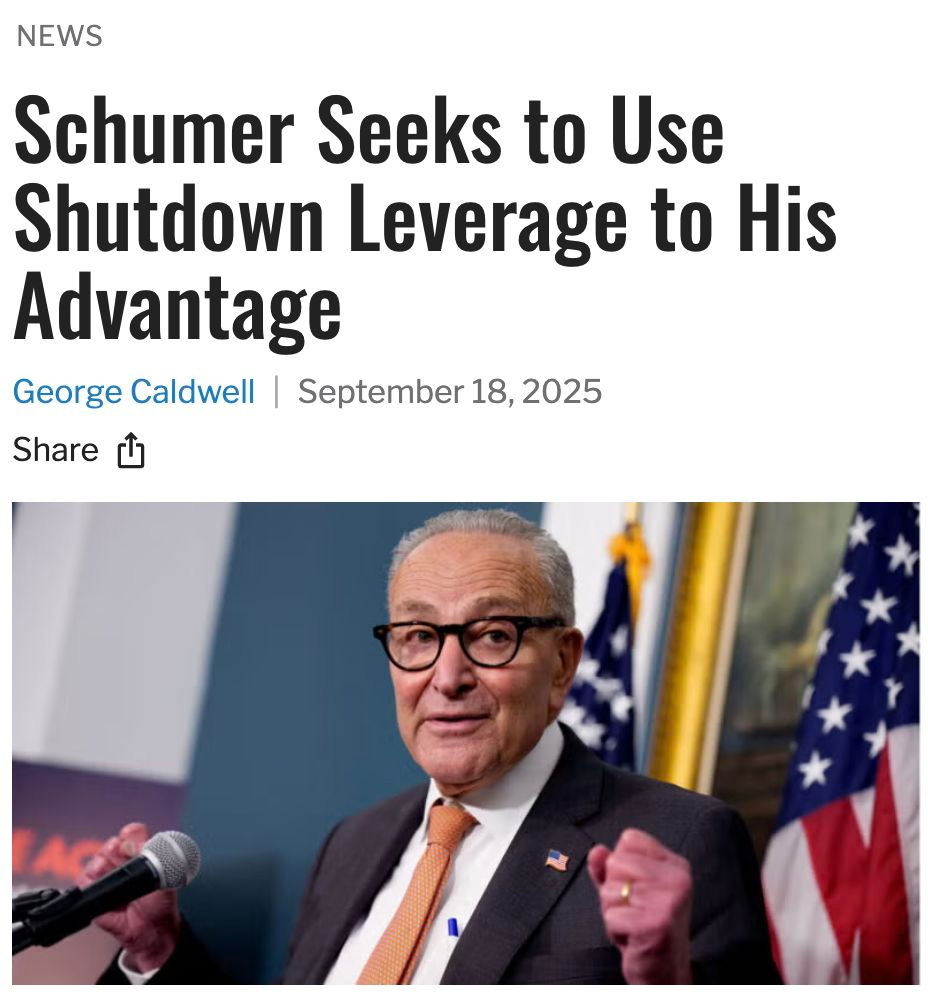
The White House pounced on that word and never let go. Every podium hit, every friendly surrogate on Fox, every surging X clip returned to the same construction: “They call it leverage. We call it taking hostages.” It turned Democrats’ usual messaging weapon against them.
Then, on October 23, another anomaly surfaced: Pentagon insiders quietly confirmed the appearance of roughly $130 million in “outside support” routed to continuity for certain defense functions. Reporting described it as a “gift” to maintain readiness as the shutdown dragged. The number wasn’t the story. The channel was.
If off-books injections are keeping parts of the war machine alive under shutdown conditions, then we are already past normal appropriations fights. We are in hybrid financing. Private or quasi-private money backstopping core federal force posture.
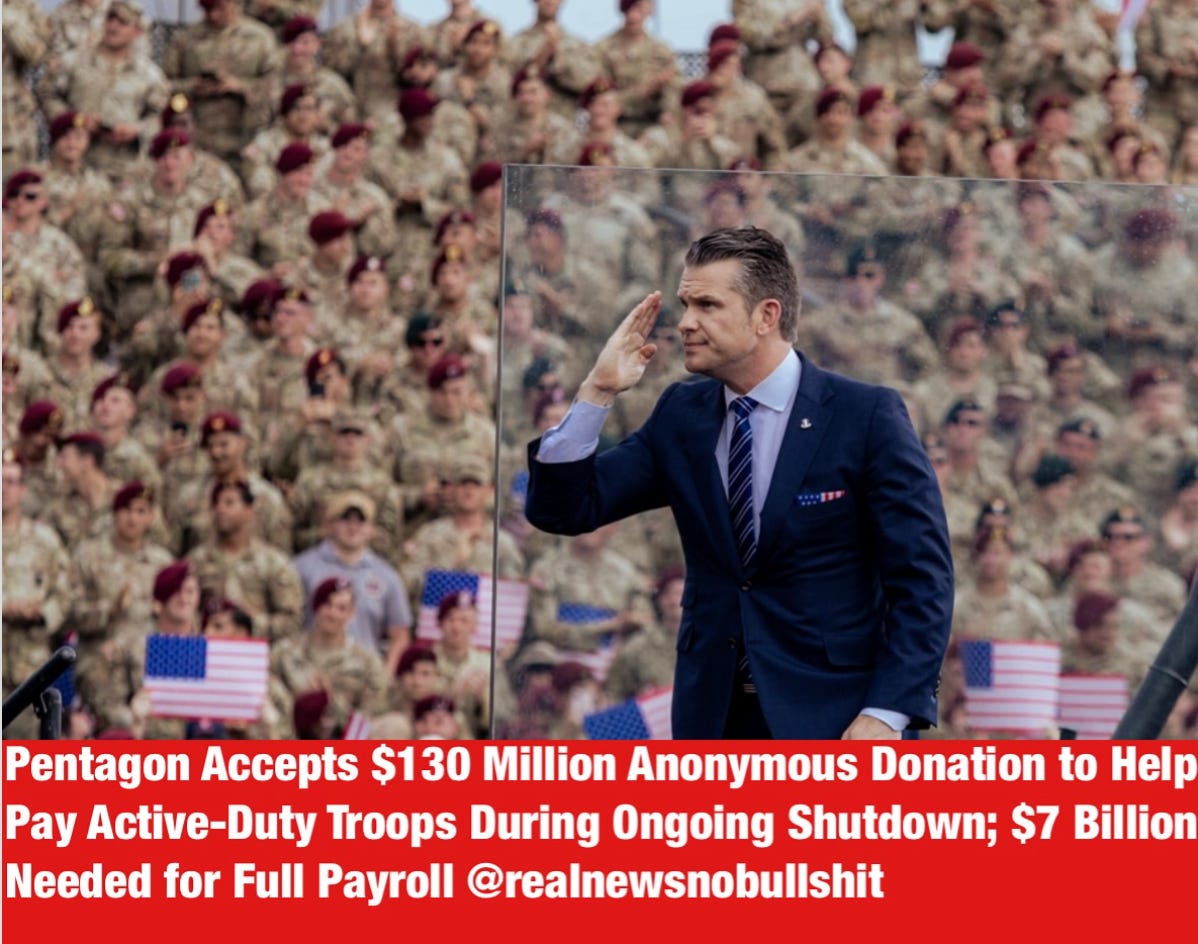
That’s not budgeting. That’s parallel funding.
At this point, the media war was fully polarized.
Democratic governors flooded X with “Trump’s shutdown is starving our people” statements. Those posts drew six-figure engagement and were signal-boosted by activist accounts designed to look grassroots.
Simultaneously, pro-Trump media flooded short-form video of Marines and Airmen getting paid under Trump’s emergency directive with captions like “Commander in Chief takes care of his own.”
Both sides were feeding rage. Only one side was shifting power.
Here’s the part you’re not supposed to say out loud: this shutdown is not simply about who hurts and who gets blamed. It’s about who controls the purse when Congress is out of the loop. The first 3 weeks of this standoff quietly tested whether the Executive can seize, redirect, or starve entire categories of spending to reward loyalty and punish resistance, and then sell the result as moral necessity.
That is the fuse.
