
A Day of Hard Lines: White House Oversight, Foreign Strikes, and the Battle Over Drug Prices
From media monitoring to cross-border operations and domestic health policy, the administration’s latest moves reflect widening fronts of federal action.

In the last 24 hours, the administration has opened new fronts across several policy arenas, advancing oversight tools, defending aggressive counter-narcotics operations, and doubling down on claims of sharp reductions in prescription drug costs. While officials frame these efforts as essential to national security, transparency, and affordability, critics warn the breadth of these initiatives raises difficult questions about executive power, accountability, and verifiable impact. Today’s brief examines the strategic motivations behind each development and the scrutiny now building around them.


3:53 p.m. — Foreign Policy — Praises Mohammed bin Salman as “future King” and signals strengthened U.S.–Saudi alignment.
3:49 p.m. — Immigration/Legal Authority — Highlights INA 212(f) to underscore presidential power to suspend entry of any class of aliens.
1:17 p.m. — Economy/Healthcare — Claims drug prices are dropping 500–700% after invoking “Favored Nations Status,” calling it a medical affordability revolution.
12:43 p.m. — National Security/Foreign Policy — Declares Venezuelan airspace “closed in its entirety” to airlines, pilots, drug traffickers, and human traffickers.
12:22 p.m. — Economy/Courts — Defends tariffs, says they strengthened the U.S., and urges prayers for Supreme Court to uphold his trade agenda.
11:29 a.m. — Messaging/Politics — Amplifies claim of maintaining a strong 50% approval rating.
Yesterday, 4:18 p.m. — Foreign Policy/Executive Power — Ties U.S. support for Honduras to a Tito Asfura victory and announces planned pardon for ex-President Hernández.
Yesterday, 4:00 p.m. — Foreign Policy/Elections — Warns of “Narcoterrorist” influence in Honduras and endorses Tito Asfura as the only reliable pro-democracy candidate.
Trump Defends Trade Moves as Supreme Court Weighs Tariffs: “WE HAVE ALL THE CARDS”
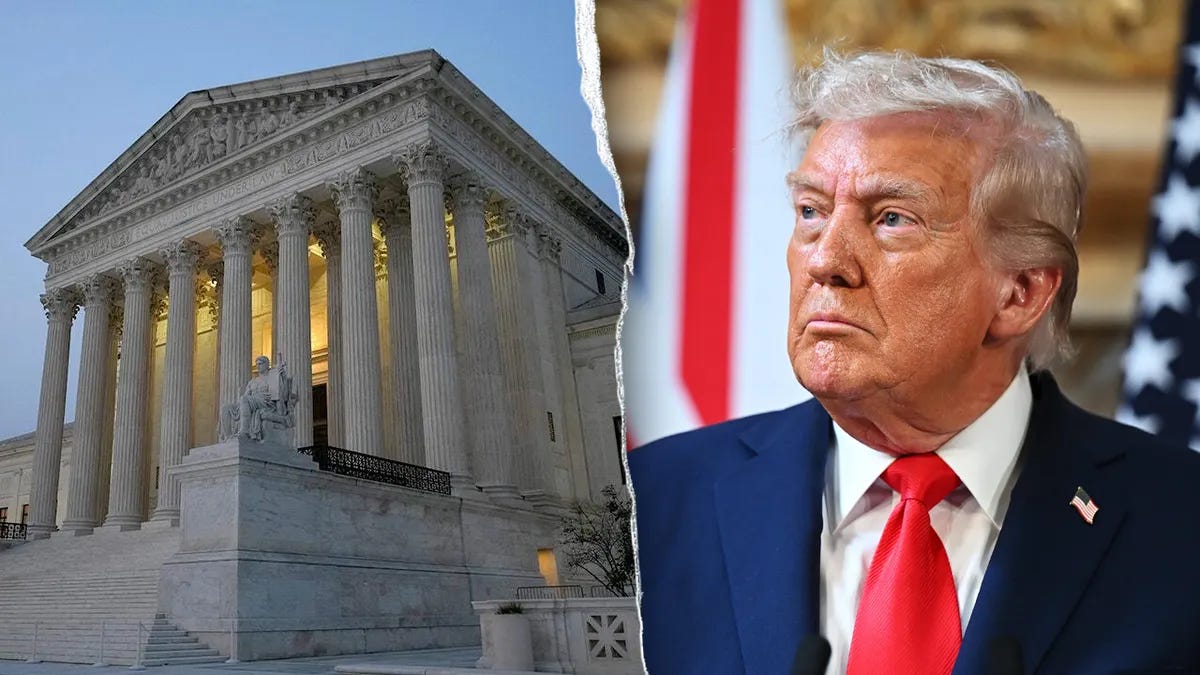
Trump didn’t blink. While the Supreme Court circles his tariff war like vultures waiting for a signal, the president stepped onto the digital battlefield and dropped the line every globalist banker fears: “WE HAVE ALL THE CARDS.”
That wasn’t bravado. That was a status report from the command tower.
Here’s the play the regime press won’t decode: The tariffs aren’t just taxes — they’re leverage. They’re the pressure points Trump has used since April’s Liberation Day tariffs to force foreign partners into deals they would’ve never touched under the Biden-subsidy era. Europe folded. Asia recalibrated. Even old adversaries started talking instead of posturing. Wars didn’t “cool down.” They paused because Trump cut off the profit lines.
The establishment hates that the receipts exist: markets up, 401(k)s green, inflation cooling after the D.C. cartel spent four years torching the dollar. Trump’s message Saturday wasn’t economics — it was sovereignty. “Rich, Strong, Powerful, Safe.” That’s the doctrine. And it’s working.
But the Supreme Court is the new battleground. IEEPA was written in the ’70s to give a president power during national emergencies — but nobody had the spine to wield it against foreign economic warfare until now. So when Amy Coney Barrett warned the Court could cause “a mess,” it wasn’t a critique. It was an admission: striking the tariffs would blow up the entire modern trade regime.
Trump knows the knives are out. He framed it perfectly — “Evil, American-hating Forces” fighting inside the Court itself. That wasn’t rhetoric. That was a locator ping. A warning that the same bureaucratic networks that smothered American industry for decades are trying to claw back control.
And just to show he’s not boxed in, Trump surfaced the backup plan — tariff cuts to cool grocery prices, dividend options for working families, pressure valves ready if the Court moves against him.
The message beneath the message:
The tariffs aren’t the power. Trump is.
And the Court is about to prove whether it still remembers who rebuilt the country in the first place.
Inside Intel → Outside Noise
The operations you see playing out here each night start in The Ledger’s forecast window.
It’s where we decode the coordination before the media spin begins.

FIELD INTEL
1. White House launches media bias tracker
Source: The Hill
The White House has introduced a new “media bias tracker,” a public-facing tool designed to monitor and catalog examples of what it characterizes as misinformation, selective framing, or inaccurate reporting by news outlets. According to officials, the tracker’s goal is to give the public a centralized way to verify claims and see how political or policy stories evolve across platforms. The administration says the tool will highlight recurring patterns in coverage, including omissions, misleading headlines, and discrepancies between reporting and official data. Critics, including First Amendment scholars and media watchdog groups, warn that such monitoring by the executive branch could have a chilling effect on journalists or be perceived as government pressure on the press. The administration maintains the tracker is observational, not punitive, and is intended to promote transparency rather than regulate coverage.
2. Hegseth defends lethal strikes on alleged drug traffickers
Source: Fox News
Fox News host Pete Hegseth defended the administration’s recent lethal strikes on suspected drug traffickers, arguing the actions were a necessary escalation in the fight against transnational criminal organizations. Hegseth stated that prior administrations, particularly Biden’s, failed to impose meaningful consequences on cartel-linked networks, which he said contributed to worsening trafficking routes and violence. He contrasted the current policy with what he described as past hesitancy to confront criminal groups directly. The strikes have raised questions among some lawmakers and human rights organizations about rules of engagement, intelligence thresholds, and the risk of civilian harm. Supporters argue the operations are legally justified and strategically targeted, emphasizing the administration’s goal of disrupting narcotics pipelines and deterring cross-border criminal activity. The government has released limited details about the intelligence that prompted the strikes.
3. Trump touts falling drug prices, calls himself “Affordability President”
Source: The Hill
President Trump reiterated claims that prescription drug prices are falling sharply under his administration, attributing the shift to his use of “Favored Nations” authority and recent executive actions aimed at lowering costs. In new public statements, he argued that reductions are occurring at levels “never seen before” and framed the trend as a central accomplishment of his domestic agenda. The administration has pursued a series of regulatory changes intended to increase price transparency, modify Medicare negotiation structures, and curb pricing disparities between the U.S. and other countries. Health policy analysts note that drug pricing data is complex and often lags, making it difficult to immediately verify the scale of any declines. Still, the administration continues to position affordability as a core theme heading into the midterm cycle, encouraging Republican lawmakers to highlight the issue in their messaging.

As these moves continue to unfold, the debate surrounding authority, oversight, and measurable outcomes will intensify. Each policy push carries its own implications, but together they point to an administration intent on reshaping its relationship with the media, foreign adversaries, and the domestic healthcare market. Whether these actions achieve their stated goals—or trigger new rounds of legal and political challenges—remains to be seen.
~ Scott 🇺🇸
PS: We’ll continue tracking the data, legal responses, and follow-on actions as each of these developments moves into its next phase.
Don’t Read It Secondhand.
Every Sunday, The Ledger drops the full Command Brief — forecasts, power-maps, and narrative models for the week ahead.
Foresight beats outrage.